Skip to content

Antarctica · Ross Sea

Ross Seaat the edge of wonder

The extraordinary sights.
The moments in between.

Explore the Ross Sea

Farther south. Deeper wonder.

Historic expedition huts, vast ice shelves, and remote wildlife colonies. Plan a voyage with room for long ocean crossings and days shaped by sea ice and weather.

Choose by interest

How would you
like the Ross Sea to feel?

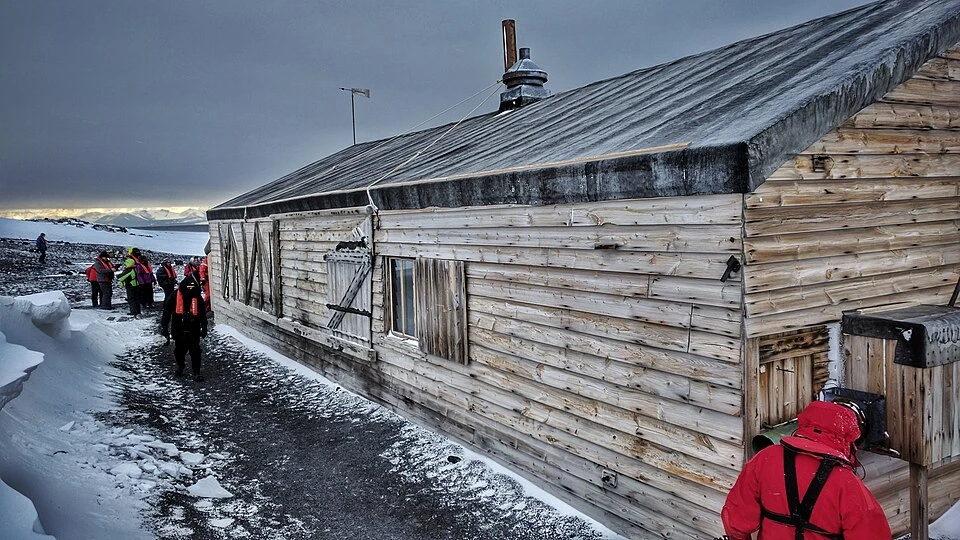
Scott’s Hut at Cape Evans, Ross Island.

Art, culture & story

Historic huts

Discover the legacy of Scott and Shackleton at preserved expedition sites. Visits depend on the itinerary, landing conditions, and site access rules; a particular hut cannot be guaranteed.

Extraordinary journeys live in the details
Explore the Ross Sea your way

A journey with your rhythm

Compare expedition ships, time at sea, and the operator’s planned route. The expedition team decides which landings and small-boat outings are possible each day.

Browse by travel style

Plan the timing

When to go

January and February are the main Ross Sea expedition months. Compare the operator’s full departure and return dates; sea ice and weather determine how far south a voyage can travel.

Seasonal guidance, not a forecast. Photographs illustrate the destination, not conditions in a particular season.

Plan ahead

Scott’s Hut at Cape Evans, Ross Island.

Prepare for the summer window

September–December

Compare ships, routes, and the complete voyage schedule. Do not assume an early Antarctic Peninsula departure also reaches the Ross Sea.

Plan a future expedition →

Midsummer

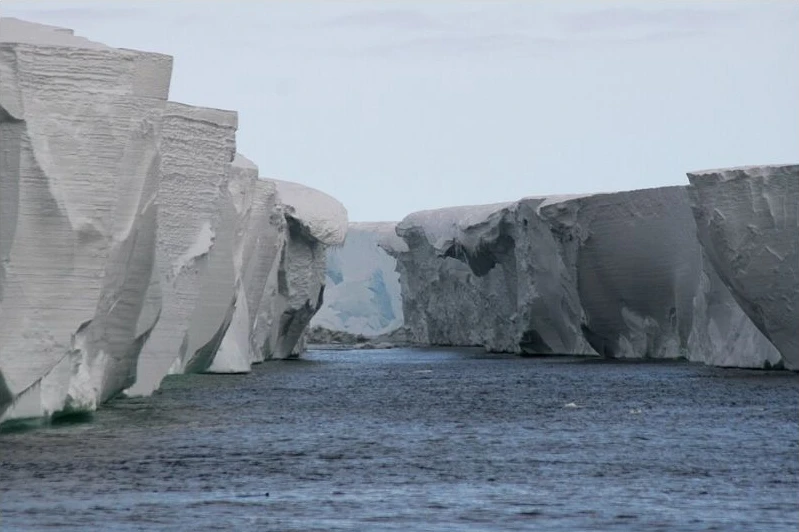
Ice cliffs at the Ross Ice Shelf, Antarctica.

The main expedition window

January

Long summer days support expedition itineraries, but sea ice still controls access. Check the actual sailing dates and the time allocated to the Ross Sea.

Explore these months →

Late summer

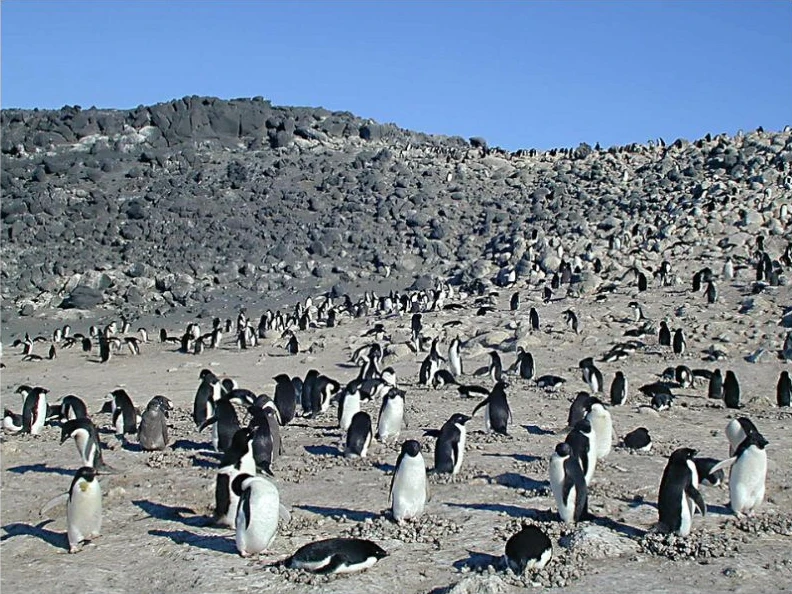
Adélie penguin colony at Cape Royds, Ross Island.

History, ice, and wildlife

February

Compare late-summer departures and their planned landing sites. Conditions can alter the route, and the return ocean crossing is part of the overall trip.

Explore these months →

Beyond the main window

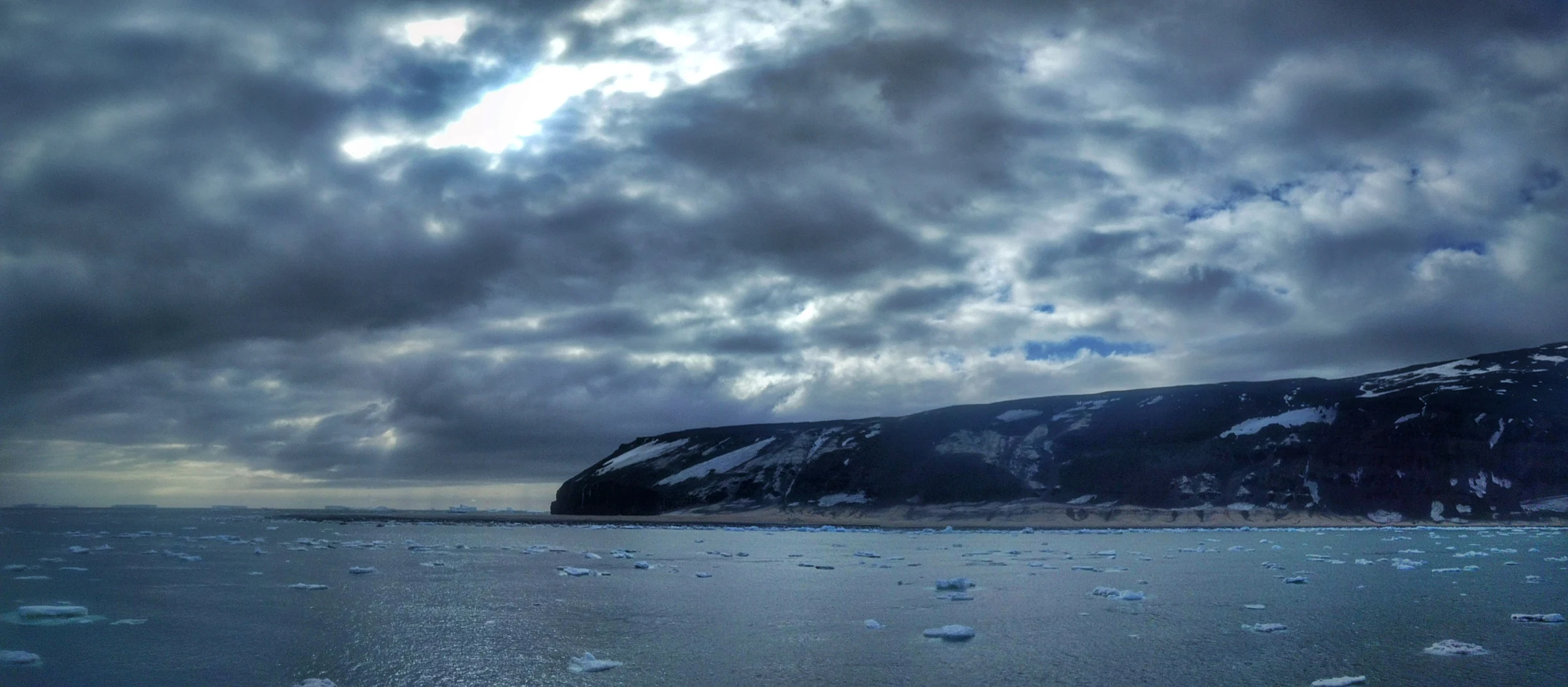
Cape Adare coastline on the Ross Sea; landings depend on expedition conditions.

Look toward a future voyage

March–August

Regular visitor voyages are concentrated in summer. Ask Gloria about the operator’s published program rather than assuming departures throughout these months.

Plan a future expedition →

Good to know

Before your journey
takes shape

A little clarity now, so you can plan with confidence.

What do the featured journey cards include?

Each card opens a supplier offer. Review its itinerary, dates, price, and inclusions, then ask Gloria to confirm the details for your trip. Experiences elsewhere on this page are ideas and may not be included in an offer.

What will these searches show?

Supplier-provided journeys that match the destination and selected filters. Where an attraction has few matches, we also show broader destination results, clearly labeled. A journey mentioning a place is not necessarily an admission ticket or a visit to it. Check the itinerary, inclusions, dates and availability.

How long should I allow for a Ross Sea expedition?

Plan around the complete voyage, including the long crossings to and from Antarctica. Many itineraries take several weeks. Compare each operator’s schedule and allow time for travel to the embarkation point.

When should I plan to visit?

Start with January and February departures, then compare the full itinerary. Access to the Ross Sea and individual landing sites depends on sea ice and weather, not the calendar alone.

Where will I stay?

Most visitors travel and sleep aboard an expedition ship. Compare cabins, onboard facilities, time at sea, and the expedition program when choosing a voyage.

Are historic huts and wildlife visits guaranteed?

No. They are planned opportunities rather than promises. Conditions, wildlife protection measures, and site access requirements determine what the expedition team can offer.

What should I arrange early?

Choose the ship and departure first, then coordinate flights, any pre-voyage stay, and the operator’s required documents and equipment. Gloria can help keep those arrangements aligned.

Is this expedition suitable for my family?

Check the operator’s age policies, health requirements, and small-boat boarding demands. Discuss comfort with long sea crossings and remote conditions before choosing the itinerary.

Photography credits

Photographs are resized and may be cropped for display. The Cape Adare coastline illustrates small-boat exploration; it does not promise a landing at that site. Seasonal images illustrate the region, not conditions on a particular date.

Your ideas. Our personal attention.

Bring us your ideas.
We will connect the journey.

You share what moves you. We design a journey with the right experiences, the right pace, and room for discovery.

Planyour journey